


"Parents located in north London is looking for an extraordinary and experienced instructor to assist their smallest child on his early path to growing into an British gentleman."
Looking at this post, you might readily overlook the term "beginning" as just figurative language.
However, it might be the crucial element of this unique job advert, as it seeks to hire a tutor for a 12-month-old.
Hundreds of responses have already been sent in since the unidentified family posted their request for the £180,000 per year tutor, who has to be "a uniquely qualified person".
During the past few weeks, the listing has gained notice across the press, with several wondering why?
Progressive Approach
The CEO, CEO and founder of Tutors International, which is helping the family in their search, stated that notwithstanding first scepticism, he considered the concept "forward-looking", and "progressive".
When he met the family, he noted they appreciated the atypical aspect of their request, and how young their son is.
However, they clarified that they "didn't want to wait any longer" to engage a tutor, as they had held off until their firstborn was five, and by that stage "cultural influence had already become established".
What precisely did the family indicate by "cultural bias"?
It's "all-encompassing", the expert answered. "The way you eat, the manner you speak".
He stated the older sibling had picked up "very nuanced, unspoken signals" from the family, and had taken on their cultural norms. The family informed him they did not want this pattern to happen again with their younger child.
The strategy: To engage a British tutor, who should speak with RP, to guide the baby right from the beginning.
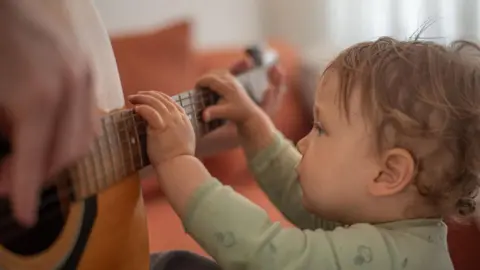
Subtle Influence
"A great deal of the development at the beginning here is rather acquired indirectly," said the expert.
It's through this osmosis that the family are aiming the child will acquire the British traits they aim to instil.
The consultant explained the tutor had to be someone who went to "prestigious academies – comparable categories of schools as the family hope to send their son to".
"The tutor just has to be the suitable individual, they'll be performing things they aren't even aware they're doing, effortlessly," he added.
Money No Object
The family told Adam the successful candidate should ideally also have familiarity of or interest in riding, winter sports, the arts and music so as to influence the child in a broad spectrum of passions.
Additionally though, he explained the family hoped the tutor to enrol the child on a range of courses so the child would be "pony-riding and starting an instrument by the time they are around three years old".
In the family's minds, assisting their son grow into a "English gentleman" will lead to success and provide access.
"Considering the rights and wrongs of that, because it's certainly a status symbol," he adds.
However, despite all this instruction in "Britishness", might the child adopt so-called cultural leaning from the international family he is raised by regardless?
"Absolutely", answered the CEO. "The family understand this may not work, but they've simply adopted the perspective of, 'let's give it a go and we'll proceed as soon as we can', because the cost of it is not a concern," he stated.
Overly Optimistic
There are some in the tutoring industry who express similar concerns.
An education leader, CEO and founder of a tutoring service, who supplies personal educators, wrote that "the development of embracing two identities, or indeed, becoming oneself, is something that must be lived into, not engineered."
The expert explained that he had moved from China to the UK at the time of 7 years old, and had been raised knowing and embodying both cultures. He continued to be educated at the University of Cambridge.
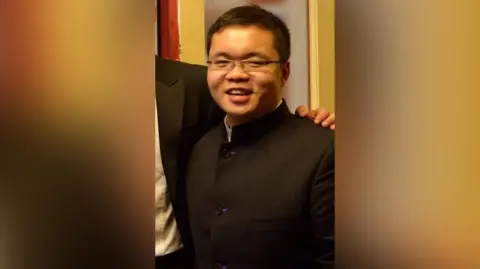
"The idea that a single person can serve as a representation of UK identity, an individual who can in some way transfer the characteristics of a English gentleman onto a one-year-old child, strikes me as naive and unrealistic," he stated.
"In my experience, having a quintessentially UK tutor from infancy will not necessarily produce the goal they hope for.
"I never had that kind of mentor, and yet I have been fortunate enough to enjoy numerous of the opportunities they hope for their son."
He continued: "The fact is, personal identity cannot be forced from the outside; it must be embraced, and it must come from within."
Acquiring Englishness
Naturally, UK identity is something the CEO thinks can be instructed – and commercialized.
"I think the situation that the global community regards us in this light is something that we should be cherishing|valuing|appreciating


